
How to Use a Cryptocurrency Wallet (to Pay for Anything)

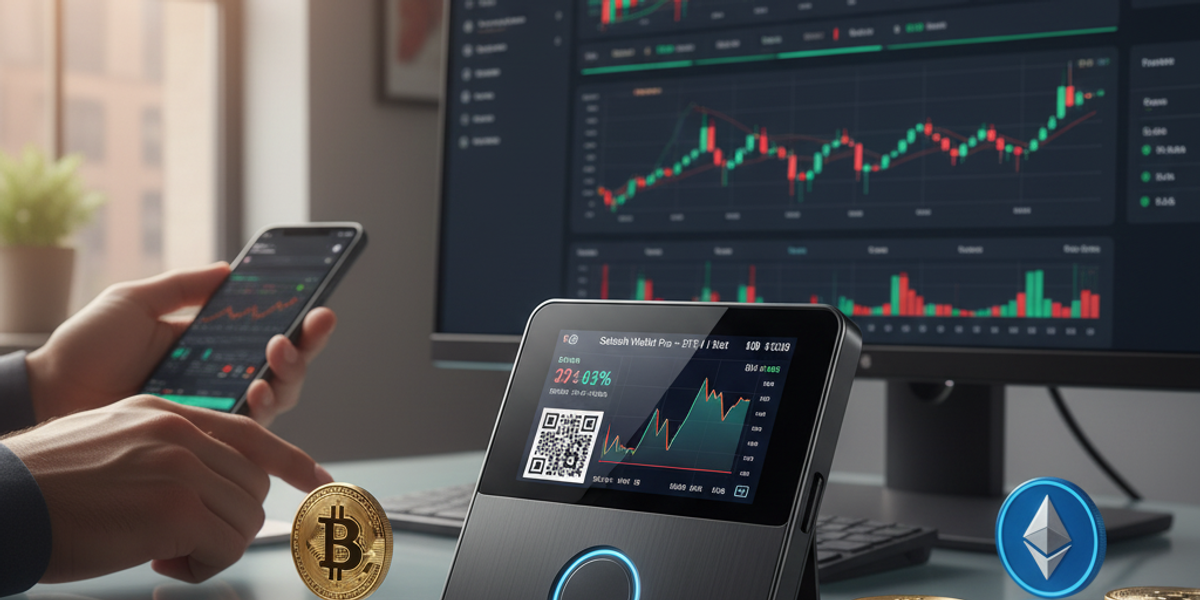
The cryptocurrency wallet — your secure gateway to digital assets and decentralized finance.
Overview: The Power of the Cryptocurrency Wallet
In an increasingly digital world, the way we manage and spend money is evolving rapidly. At the forefront of this revolution is the cryptocurrency wallet — your secure gateway to digital assets and decentralized finance.
No longer just for speculative investments, your wallet is becoming a powerful tool for real-world payments, from shopping online to sending money abroad. This guide will show you step-by-step how to use a cryptocurrency wallet to pay for anything — safely and efficiently.
1. What Is a Cryptocurrency Wallet?
A cryptocurrency wallet is a software application or physical device that allows you to store, send, and receive cryptocurrencies like Bitcoin, Ethereum, and others.
Unlike a traditional bank account, your wallet doesn’t hold money. Instead, it stores your private keys — unique digital codes that let you access and manage your funds on the blockchain.
💡 Think of it as your digital keychain — without it, you can’t unlock or spend your crypto.
2. Types of Cryptocurrency Wallets
Different wallets offer different balances of security and convenience. Understanding their types helps you choose the best fit for your needs.
a. Hot Wallets (Online Wallets)
Connected to the internet — perfect for daily use.
- •Web Wallets: Accessed through a browser (e.g., MetaMask, Coinbase Wallet).
- •Mobile Wallets: Smartphone apps (e.g., Trust Wallet).
- •Desktop Wallets: Installed on your computer.
Pros: Fast and easy for transactions. Cons: Higher risk of hacks due to internet connectivity.
b. Cold Wallets (Offline Wallets)
Stored offline — ideal for long-term holding.
- •Hardware Wallets: Devices like Ledger or Trezor.
- •Paper Wallets: Printed private keys (less common now).
Pros: Maximum security. Cons: Less convenient for frequent payments.
👉 Explore more: [Choosing the Right Crypto Wallet for Your Needs]
3. Getting Started: Setting Up Your Cryptocurrency Wallet
Ready to use your wallet? Here’s how to set it up properly.
Step 1: Choose the Right Wallet
- •For daily spending, pick a hot wallet (mobile/web-based).
- •For large holdings, go for a hardware wallet.
- •Always download from official sources only.
Step 2: Installation & Initial Setup
- Create a new wallet – generates your public address and private keys.
- Set a strong password/PIN – for device-level protection.
- Backup your Seed Phrase (Recovery Phrase) – write down the 12–24 words and store offline.
⚠️ Never share your seed phrase or store it in the cloud. Losing it means losing access to your crypto.
Step 3: Secure Your Assets
- •Store seed phrases in multiple physical locations.
- •Enable two-factor authentication (2FA).
- •Regularly update your wallet software or firmware.
4. How to Use Your Cryptocurrency Wallet
Once set up, your wallet allows you to send and receive crypto payments globally.
Receiving Cryptocurrency
- Go to “Receive” or “Deposit” in your wallet.
- Copy your public address or scan your QR code.
- Share this with the sender.
- Confirm that the blockchain network (BTC, ERC-20, etc.) matches — sending on the wrong network can cause loss.
Sending Cryptocurrency
- Go to “Send” or “Withdraw.”
- Enter the recipient’s wallet address (check twice).
- Enter the amount.
- Review the transaction fee.
- Confirm and authorize.
- Wait for blockchain confirmation — typically a few minutes.
Understanding Transaction Fees
Each blockchain charges a network or gas fee for processing.
- •Fees vary by network congestion.
- •Your wallet usually shows an estimate before you send.
- •You can sometimes choose between “slow,” “standard,” and “fast” transaction speeds.
5. Paying for Anything: Practical Uses of Your Crypto Wallet
Today, you can use your cryptocurrency wallet for almost any type of payment.
a. Online Shopping
Many e-commerce stores now accept crypto. At checkout, select “Pay with Crypto” or use gateways like:
- •Coinbase Commerce
- •BitPay
- •Crypto.com Pay
Your wallet generates a QR code — scan, confirm, and you’re done.
b. Peer-to-Peer (P2P) Transfers
Instantly send crypto to anyone, anywhere. Perfect for:
- •Paying freelancers
- •Splitting restaurant bills
- •Sending money to friends or family abroad
Faster and often cheaper than bank transfers.
c. DeFi and Web3 Payments
Your wallet connects you to Web3 apps:
- •DeFi protocols: Lending, staking, yield farming
- •NFT marketplaces: Buy or sell digital art
- •Blockchain games
- •DAOs: Participate in decentralized governance
👉 Explore: [Exploring the World of DeFi with Your Crypto Wallet]
d. Using Crypto Debit Cards
Platforms like Binance Card and Coinbase Card let you:
- •Link your crypto wallet to a debit card.
- •Spend crypto as fiat at regular POS terminals.
- •Earn rewards in crypto.
A great bridge between crypto and traditional finance.
6. Advanced Tips for Wallet Users
a. Diversify Your Wallets
Use multiple wallets:
- •Hot wallet for daily transactions.
- •Cold wallet for savings. This minimizes loss risk and maximizes flexibility.
b. Best Security Practices
- •Always enable 2FA.
- •Avoid clicking suspicious links.
- •Double-check website URLs before logging in.
- •Keep software and firmware updated.
- •Educate yourself on phishing and scam tactics.
7. FAQs: Cryptocurrency Wallets Explained
Q1: How do I add money to my cryptocurrency wallet?
You can buy crypto within the wallet app (if supported) or transfer funds from an exchange.
Q2: Are crypto payments instant?
Most are processed within minutes, but it depends on network speed and block confirmations.
Q3: Can my wallet be hacked?
Hot wallets are more vulnerable than cold wallets. Use hardware devices, strong passwords, and 2FA to stay safe.
Q4: What if I lose my wallet or phone?
As long as you have your seed phrase, you can restore your funds on another device.
Q5: Can one wallet hold multiple cryptocurrencies?
Yes — multi-chain wallets (like Trust Wallet or Ledger Live) support multiple coins and tokens.
8. Conclusion: Your Wallet, Your Gateway to the Future
Your cryptocurrency wallet is more than just a storage tool — it’s your passport to the decentralized economy. From daily payments to Web3 investments, your wallet empowers you to transact, invest, and interact in a borderless financial system.
Master your wallet today, and step confidently into the future of digital payments — where you can truly pay for anything, anywhere.