
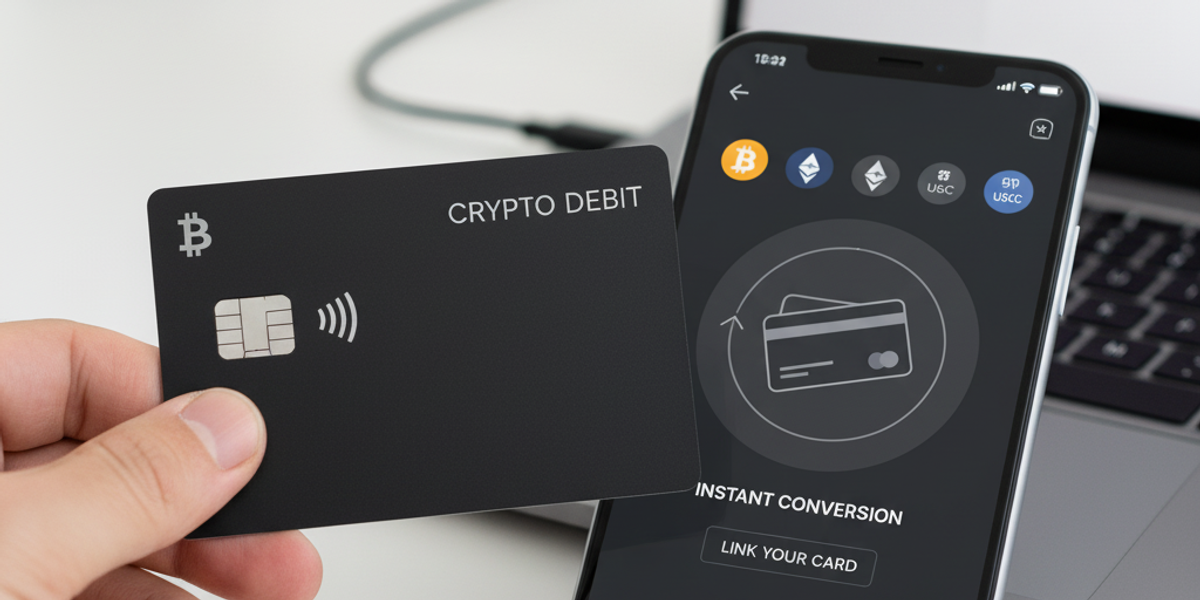
Convert Crypto to Debit Card Funds Instantly: Your Ultimate Guide to Seamless Spending

The answer lies in the growing accessibility of converting crypto to debit card funds instantly.
The world of cryptocurrency has moved beyond mere speculation, becoming a vital part of many individuals' financial portfolios. Yet, one of the perennial challenges for crypto holders has been bridging the gap between their digital assets and everyday spending. How do you pay for groceries, settle bills, or handle an emergency without a lengthy, complex withdrawal process?
The answer lies in the growing accessibility of converting crypto to debit card funds instantly.
This comprehensive guide explores the most efficient and secure methods to transform your digital wealth into spendable fiat, ensuring you never miss an opportunity to utilize your crypto. Whether you're a seasoned investor or new to the decentralized world, understanding these pathways is key to unlocking the true liquidity of your assets.
Why Convert Crypto to Debit Card Funds? The Power of Instant Liquidity
The primary allure of converting crypto to debit card funds instantly is the unparalleled convenience and the power of immediate liquidity. In a rapidly evolving financial landscape, traditional banking transfers can often feel slow and cumbersome.
Bridging the Digital–Physical Divide
Imagine needing to pay for an unexpected car repair or cover a utility bill, and your funds are locked in volatile cryptocurrencies. Converting your crypto to debit card funds instantly allows you to seamlessly transition from your digital wallet to real-world expenses.
It eliminates the friction of waiting for bank transfers, enabling you to use your digital assets just like any other currency. This functionality is crucial for everyday purchases, online shopping, or even international travel.
Speed and Convenience
The “instantly” aspect is not just a buzzword—it represents a significant shift in how people manage their crypto. Instead of initiating a bank transfer that could take days to clear, modern solutions allow you to sell your crypto and have the equivalent fiat loaded onto a debit card within minutes, sometimes seconds.
This speed is invaluable in emergencies or for impulse purchases where time is of the essence.
Mitigating Volatility Risks
Cryptocurrencies are known for their price fluctuations. While holding can lead to significant gains, it can also expose you to sudden drops.
By having the option to convert crypto to debit card funds instantly, you gain the strategic advantage of “cashing out” at opportune moments. This allows you to lock in profits or preserve capital, mitigating the risk of market downturns when you need access to your funds.
How to Convert Crypto to Debit Card: Top Methods Explained
Several reliable methods have emerged to facilitate the swift conversion of your digital assets into spendable fiat on a debit card. Each offers unique advantages, catering to different needs and preferences.
1. Crypto Debit Cards (Prepaid/Linked)
Perhaps the most direct and integrated solution is using specialized crypto debit cards. These cards, often branded by Visa or Mastercard, act like traditional debit cards but are directly linked to your cryptocurrency holdings on a specific platform.
- •How it works: When you make a purchase, the underlying crypto (e.g., Bitcoin, Ethereum, USDT) is automatically converted to the local fiat currency at the point of sale. The card issuer handles the conversion instantly, and the merchant receives payment in fiat.
- •Advantages: Extreme convenience for daily spending, global acceptance, and direct access to your crypto without manual conversion steps. Many platforms allow you to top up or link multiple cryptocurrencies.
- •Providers: Major crypto exchanges and dedicated crypto financial services companies offer these cards. [Internal Link Suggestion: Learn more about the best crypto debit cards for everyday spending.]
2. Instant Sell-to-Bank Transfers (via Crypto Exchanges)
Many leading cryptocurrency exchanges now offer expedited sell-to-bank transfer options. While not directly “to a debit card,” this method allows you to sell your crypto for fiat, which is then instantly transferred to your bank account—typically linked to your debit card.
- •How it works: You sell your chosen cryptocurrency for fiat currency (e.g., USD, EUR, GBP) on an exchange. The exchange then facilitates an “instant” or “fast payment” transfer (like SEPA Instant in Europe, Faster Payments in the UK, or FedNow in the US) to your linked bank account. Once in your account, these funds are immediately accessible via your associated debit card.
- •Advantages: High liquidity from large exchanges, typically lower fees for larger transactions, and seamless integration with existing banking systems.
- •Considerations: Ensure your bank supports instant transfers from exchanges, and verify the exchange’s specific instant withdrawal limits and fees.
3. Peer-to-Peer (P2P) Platforms with Debit Card Payments
P2P platforms connect individual buyers and sellers directly. While often associated with purchasing crypto, many also facilitate selling crypto for fiat, where the buyer can send funds directly to your linked debit card or bank account.
- •How it works: You list your crypto for sale on a P2P platform, specifying that you accept payments directly to your debit card (via bank transfer to your card-linked account, or sometimes card-to-card transfers if supported). A buyer agrees to your terms, and once they make the payment and you confirm receipt, the crypto is released.
- •Advantages: Potentially better rates due to direct negotiation and flexible payment options.
- •Considerations: Requires more vigilance to avoid scams. Always use reputable P2P platforms with escrow services.
Choosing the Right Platform or Method
Selecting the ideal method to convert your crypto to debit card funds involves weighing several key factors:
1. Fees and Exchange Rates
Transaction fees, withdrawal fees, and conversion spreads can significantly impact the final amount you receive. Compare these costs across platforms. Some crypto debit cards might have annual or foreign transaction fees. Always check the real-time exchange rate offered, as even a small difference can add up.
2. Speed and Processing Times
While the goal is “instant,” actual processing times can vary. Crypto debit cards offer near-instant conversion at the point of sale. Instant bank transfers can take minutes to a few hours depending on the region. P2P transactions depend on the counterparties.
3. Security and Reliability
Prioritize platforms with robust security, regulatory compliance, and a strong track record. Look for:
- •Two-factor authentication (2FA)
- •Cold storage of assets
- •Transparent policies and responsive customer support
4. Supported Currencies
Ensure your platform supports your specific crypto and desired fiat currency. Not every card or exchange supports all altcoins or regional currencies.
5. Daily and Monthly Limits
Check any limits on conversions and withdrawals. These vary between providers and depend on verification levels (KYC/AML).
The Future of Crypto-to-Debit Card Spending
The trajectory for converting crypto to debit card funds points toward even greater integration and ease of use. As regulatory frameworks evolve and blockchain technology matures, expect:
- •Broader Adoption: Traditional banks may begin offering crypto-linked debit options.
- •Enhanced Interoperability: More seamless links between crypto ecosystems and traditional payment rails.
- •Reduced Fees: Competition and improved tech will continue driving costs down.
- •User-Friendly Interfaces: Platforms will become simpler and more intuitive for everyday use.
FAQs: Crypto to Debit Card Conversion
Q1: Can I load my existing bank debit card directly with cryptocurrency?
A: Generally, no. Standard bank-issued debit cards only hold fiat. You’ll need either a dedicated crypto debit card or convert your crypto to fiat first via an exchange.
Q2: What are the typical fees for converting crypto to a debit card?
A: Fees may include exchange conversion fees, blockchain network fees, and card maintenance or issuance fees. Always review your platform’s fee schedule.
Q3: How long does conversion take?
A: For crypto debit cards, conversion is instant at checkout. For exchanges, instant bank transfers can take minutes to a few hours. P2P timing depends on the buyer’s action.
Q4: Is it safe to convert crypto to a debit card?
A: Yes—if you use reputable providers. Always enable 2FA, secure your passwords, and verify counterparties in P2P deals.
Q5: Are there any limits on conversions?
A: Yes, limits vary by platform and verification level. Higher KYC status usually increases your available limits.
Q6: Do I have to pay taxes when converting crypto to fiat via a debit card?
A: Yes, in most jurisdictions it’s considered a taxable event. Keep detailed records and consult a tax professional.
Conclusion: Embrace the Convenience of Instant Crypto-to-Debit Card Transactions
The ability to convert crypto to debit card funds instantly is transforming how individuals interact with their digital assets. It bridges the gap between investment and utility—giving crypto holders real-world spending power.
By understanding the available methods, comparing platforms, and prioritizing safety, you can take full advantage of this financial innovation. Embrace convenience, minimize risks, and unlock true liquidity from your crypto portfolio.